From Engineer to Founder: Lessons from Raising $120k Link to heading
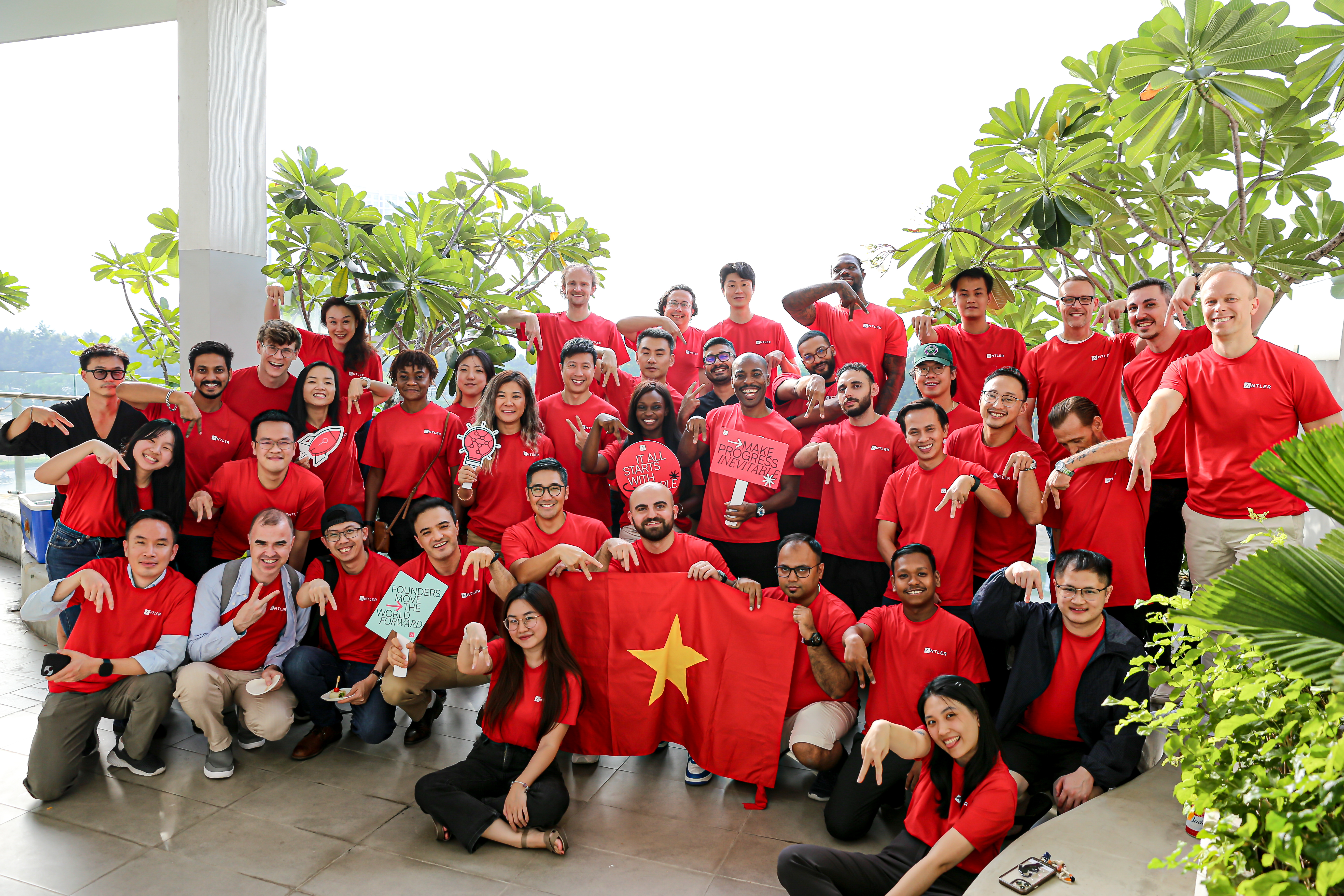
Recently, my team and I successfully raised $120k in pre-seed funding at a ~$1M valuation through the Antler VN8 Cohort for SENLA for logistics providers.
This journey from embedded systems engineer to technical co-founder taught me several lessons worth sharing.
Building Beyond Your Comfort Zone Link to heading
Transitioning from embedded C++ development in aerospace to full-stack web applications for logistics wasn’t straightforward. The past year involved:
- Learning an entirely new technology stack (Python, FastAPI, modern web frameworks)
- Understanding enterprise logistics operations and pain points
- Conducting customer discovery in a market I had no prior experience in
- Building and iterating on demos based on real user feedback
The technical challenge was significant, but the business development side—understanding customer needs, pitching to investors, navigating a foreign business environment—stretched me in unexpected ways.
Key Takeaways Link to heading
On transitioning to entrepreneurship: The mindset shift from engineer to founder is substantial. As an engineer, I was optimizing for technical excellence. As a founder, I learned to optimize for customer value and business viability—sometimes those align with technical elegance, often they don’t.
On working internationally: Building a startup in Vietnam as a foreigner presented unique challenges: language barriers, cultural differences in business practices, and establishing credibility. These constraints forced creative solutions and built resilience.
On validating ideas: Raising funding validated our pitch, but the real validation comes from customers willing to pay for the solution. Demo day success is the beginning, not the destination.
Looking Forward Link to heading
The experience of going from concept to funded startup in a few months has been transformative. Whether SENLA succeeds or not, the lessons from:
- Building technical products in unfamiliar domains
- Pitching and fundraising
- Working across cultures
- Managing distributed teams
…are invaluable for any software engineering career.
For engineers considering the startup path: the technical work is often the easiest part. The hard work is understanding customers, building the right thing, and having the persistence to keep iterating when the first (and second, and third) approach doesn’t work.